Merle Labradoodles: Genetics, Controversy, and Health Risks
The science behind the merle coat pattern. Why 'Double Merle' breeding is dangerous and how to test your dog's genetics.
The Controversy of the “Cookies and Cream” Coat
In recent years, the Merle Labradoodle has exploded in popularity. With a coat resembling marble cake, cookies and cream, or a patchwork quilt, these dogs are undeniably striking. Breeders charge premium prices for these “rare” patterns, often marketing them as “Blue Merle” or “Chocolate Merle.”
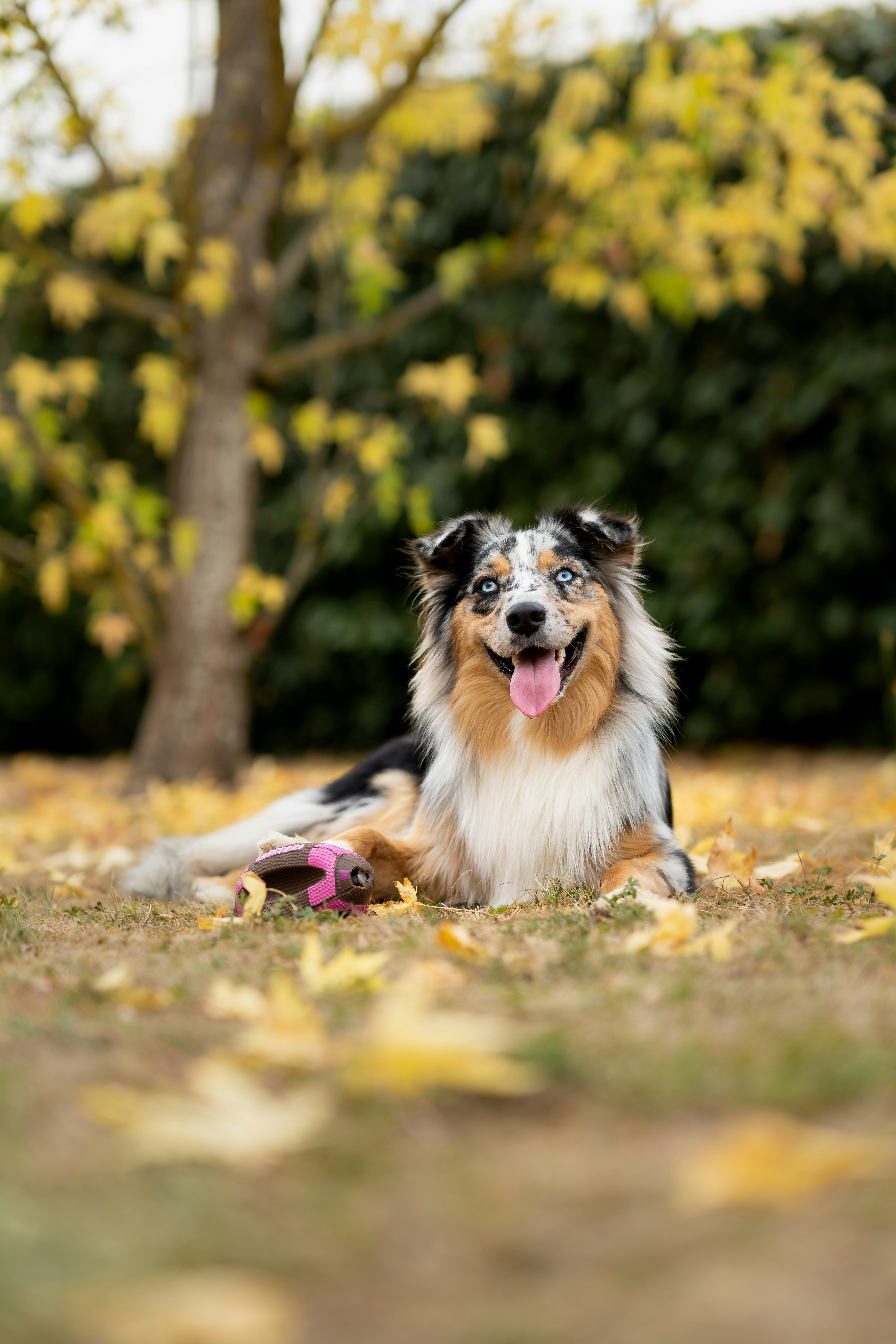
But behind the stunning aesthetics lies a minefield of genetic controversy and potential health disasters. Unlike the furnishings gene, which determines if your dog looks like a doodle or a flat-coated retriever, the merle gene carries serious physiological consequences if mishandled.
Is the merle coat naturally found in Labradoodles? And more importantly, is it safe?
The Science: What is the Merle Gene?
While standard Labradoodle coat colors like Chocolate or Cream are determined by the E and B loci, the merle pattern is a dilution gene (specifically, a mutation in the PMEL or SILV gene) 1 . It acts on the dog’s solid base coat color, lightening patches of it to create a mottled effect.
- Black base + Merle gene = Blue Merle (Grey/Silver patches on black)
- Brown base + Merle gene = Chocolate Merle (Beige/Tan patches on brown)
The Genetic Math (The M Locus)
The merle gene is semi-dominant. We denote the mutant merle allele as M and the non-merle allele as m.
- mm (Non-Merle): A solid-colored dog (e.g., a standard Black Labrador or Poodle).
- Mm (Classic Merle): A healthy dog with the merle pattern. One copy of the gene dilutes random parts of the coat.
- MM (Double Merle): The danger zone. A dog with two copies of the merle gene.
The “Double Merle” Disaster
The single greatest risk in breeding merle dogs is the creation of Double Merles (MM). This happens when a breeder pairs two merle dogs together (Mm x Mm).
When breeding two merle dogs, there is a 25% statistical chance that a puppy will inherit the ‘MM’ genotype. These puppies often suffer from severe auditory and ophthalmic defects.
Because the merle gene dilutes pigment, an “MM” dog often lacks pigment where it is biologically crucial—specifically in the inner ear and the eyes.
Health Consequences of Double Merles
According to veterinary research 2 :
- Deafness: The hair cells in the cochlea require pigment to function. Without it, the dog is permanently deaf in one or both ears.
- Microphthalmia: Abnormally small eyes, often non-functional.
- Coloboma: A hole in the structure of the eye (iris, retina, or optic disc).
- Blindness: Caused by the structural defects mentioned above. Unlike the degenerative blindness of Progressive Retinal Atrophy (PRA), this vision loss is often present from birth.
This is why ethical breeding associations strictly prohibit Merle-to-Merle breeding.
The “Occult” or “Phantom” Merle
“But I would never breed two merles!” says the backyard breeder. “I bred a Blue Merle to a solid Black Poodle!”
Here is the trap: Not all merles look like merles.
Some dogs are Cryptic Merles (or Phantom Merles). They carry the M gene, but due to the length of the genetic insertion (poly-A tail), they express very little or no pattern. A dog might look solid black but genetically be Mm.
If that “solid” black dog (actually Mm) is bred to a visible Merle (Mm), you are accidentally creating a litter with potential Double Merles (MM).
This is why visual inspections are useless. DNA testing is the only way to be safe.
The Labradoodle Layer: Where Did It Come From?
Here is the inconvenient truth: Neither the Poodle nor the Labrador Retriever carries the merle gene naturally.
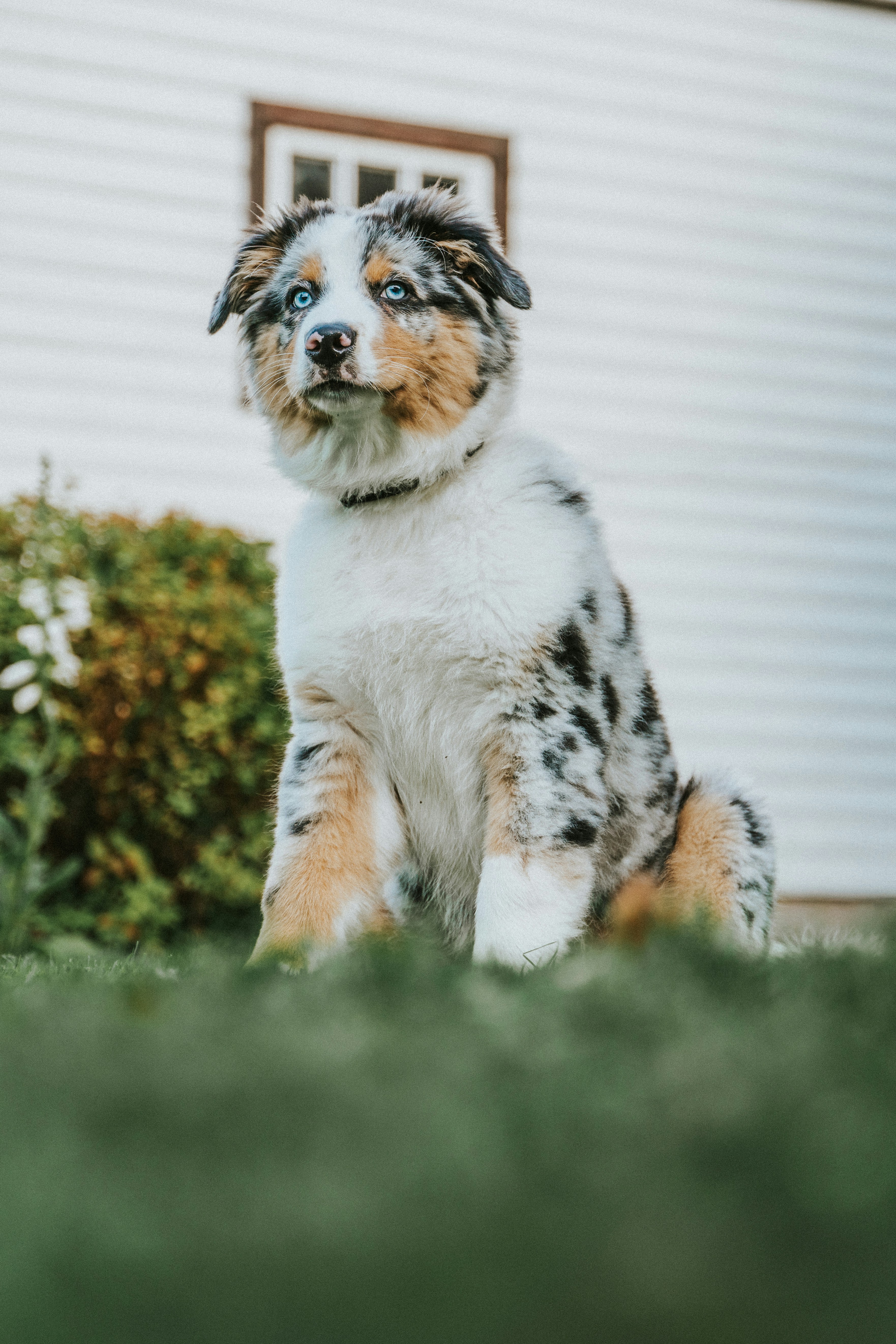
If a breeder offers you a “Purebred Merle Poodle,” run away. The merle gene was introduced into the Poodle population (and subsequently the Labradoodle) by outcrossing with breeds like the Australian Shepherd or the Cocker Spaniel.
In the world of F1 vs F1b genetics, adding a third breed muddies the waters. A “Merle Labradoodle” often has a higher percentage of herding dog genetics than a standard Labradoodle. This can introduce:
- Higher energy levels (herding drive)
- Different structural traits
- New genetic health risks (like MDR1 drug sensitivity, common in Aussies)
Advanced Genetics: Measuring the Merle
For the true science geeks, the merle story gets deeper. It’s not just “Merle” vs “Non-Merle.” The merle gene is a SINE insertion (Short Interspersed Nuclear Element), and the length of this insertion determines how the coat looks and behaves.
Modern laboratories like TGI and UC Davis now test for the specific length of the poly-A tail, categorizing the gene into alleles:
- Mc (Cryptic Merle): (200-230 bp) - No pattern. Safe to breed to M if careful.
- Mc+ (Cryptic Merle Plus): (231-255 bp) - May show slight dilution.
- Ma (Atypical Merle): (255-264 bp) - Diluted coat, no patch. often called “Dilute.”
- M (Classic Merle): (265-269 bp) - The standard patchwork.
- Mh (Harlequin Merle): (270+ bp) - More white, often seen in Great Danes/Aussies.
Why does this matter? Ma (Atypical) dogs often look solid but can produce Double Merles if bred to an M dog. This is why “just looking at the dog” is a recipe for disaster.
The Mechanics of Testing
If you are new to canine genetics, you might be picturing a veterinarian drawing blood. Thankfully, modern DNA testing is far less invasive.
Most consumer tests, including Embark, use a cheek swab.
- Order the Kit: It arrives in the mail.
- Swab the Cheek: You rub the specialized sponge against the inside of your dog’s cheek for 30-60 seconds. This collects epithelial cells.
- Activate & Mail: You register the kit online and drop it in the mail.
- Wait: Results typically take 2-4 weeks.
Why Cheek Swabs are Accurate Some owners worry that a swab isn’t as good as blood. For genetic testing, DNA is DNA. The DNA in a cheek cell is identical to the DNA in a blood cell. As long as you follow the instructions (no food 30 minutes prior to prevent contamination), the results are over 99% accurate.
This simplicity means there is no excuse for skipping this step. Whether you are a breeder or a pet parent, the barrier to entry is low, but the value of the data is priceless.
Ethical Breeding Guidelines
If you have your heart set on a merle Labradoodle, you must ensure the breeder is scientifically literate.
The Pros
- • Unique, beautiful coat patterns
- • Same loving Labradoodle temperament (if bred well)
- • Healthy if heterozygous (Mm)
The Cons
- • High risk of unethical breeding (Double Merle)
- • Likely mixed with Australian Shepherd
- • Cannot be bred to another merle
The Mandatory Checklist
- DNA Testing: The breeder must provide proof that at least one parent is m/m (Non-Merle) at the M Locus.
- Health Clearances: OFA eyes and ears are non-negotiable.
- Transparency: They should admit that another breed was introduced somewhere in the lineage to get the color.
Living with Special Needs Doodles
If you have rescued a “Double Merle” or a special needs Labradoodle, know that they can live full, happy lives.
Deafness: Deaf dogs are incredibly visual. They bond deeply with their handlers because they must watch you for cues.
- Hand Signals: Teach standard obedience using hand signs instead of words.
- Vibration Collars: Use a collar that vibrates (NOT shocks) to get their attention from a distance.
- Flashlights: Use a light flicker to signal “come inside” at night.
Blindness: Blind dogs map their environment using scent and hearing.
- Halo Harnesses: A “bumper” ring that extends in front of the dog’s head to prevent them from hitting walls.
- Scent Markers: Use different essential oils (vanilla for door frames, lavender for stairs) to help them navigate.
- Texture Cues: Place a textured mat before stairs or doorways so their paws know a transition is coming.
Protect Your Pack
If you already own a Labradoodle—especially one with a merle coat or from a shelter—knowing their genetic status is vital for their future health and care.
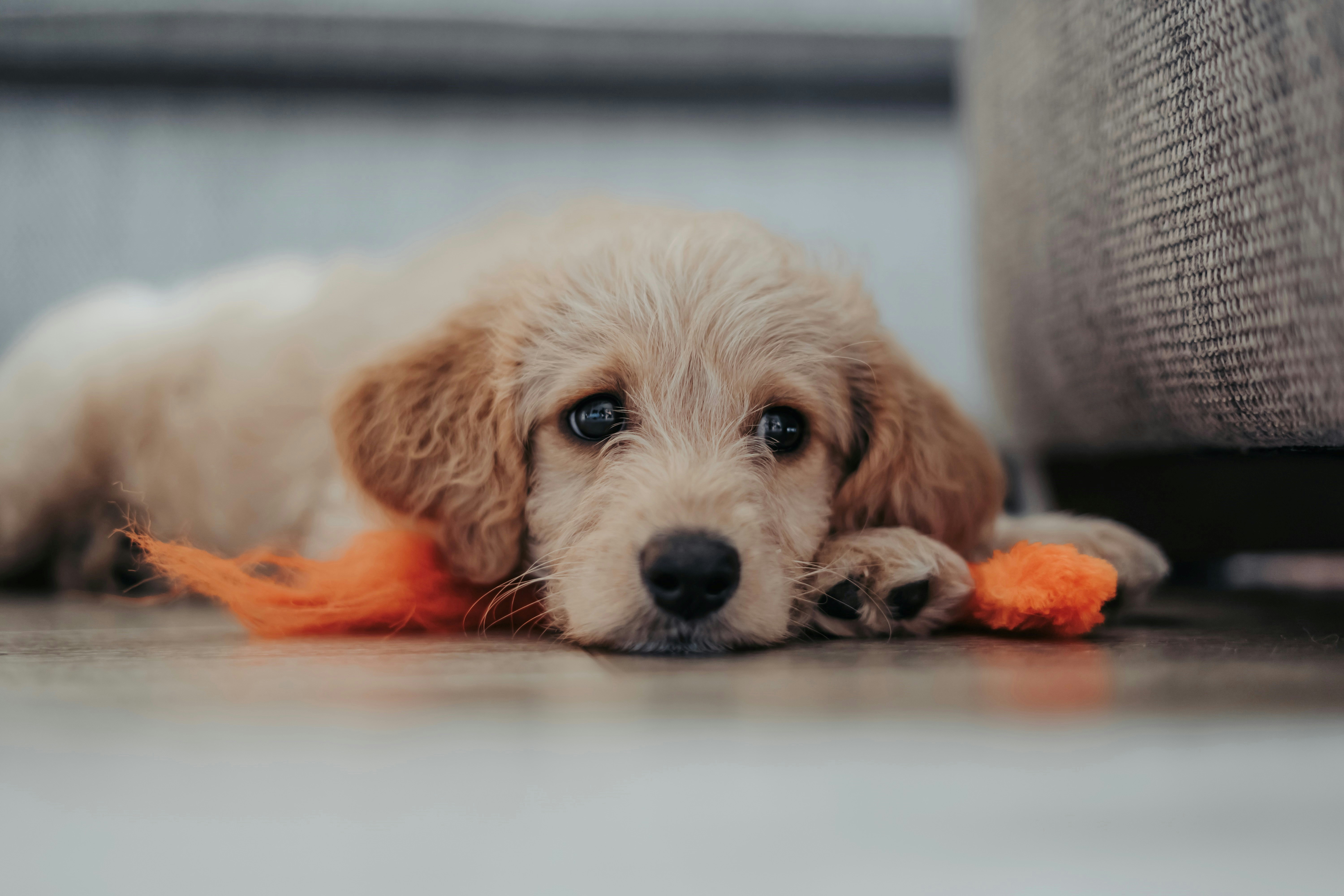

Embark Breed + Health Kit
The most accurate DNA test for breed breakdown and 210+ genetic health risks.
Affiliate link. We may earn a commission.
The Embark Breed + Health Kit is the industry standard. It tests for:
- The M Locus: Determining if your dog is a Cryptic Merle.
- MDR1 Sensitivity: A life-saving drug sensitivity test often linked to merle lineages.
- Breed Breakdown: Revealing exactly how much “Australian Shepherd” might be hiding in your Doodle.
Conclusion
The merle Labradoodle is a beautiful testament to the power of genetics, but beauty should never come at the cost of welfare. The “cookies and cream” coat is only safe when it is a single layer. Doubling down on this gene is a gamble with a puppy’s sight and hearing—a gamble no ethical human should ever take.