Labradoodle Coat Colors: The Science Behind the Rainbow
From Chalk to Chocolate, Parchment to Parti. A guide to Labradoodle colors, the fading gene, and what your puppy's color predicts about their health.
From Chalk to Chocolate: Decoding Your Doodle
When you walk into a breeder’s home, you might see a litter that looks like a spilled box of chocolates. There’s a black puppy, a cream one, a chocolate one, and maybe even one with white spots. How does mixing a Yellow Lab and a Poodle result in such a kaleidoscope?
The answer lies in the “Labradoodle Layer” of genetics—specifically, the interaction between the Labrador’s solid color genes and the Poodle’s complex pattern and fading genes.
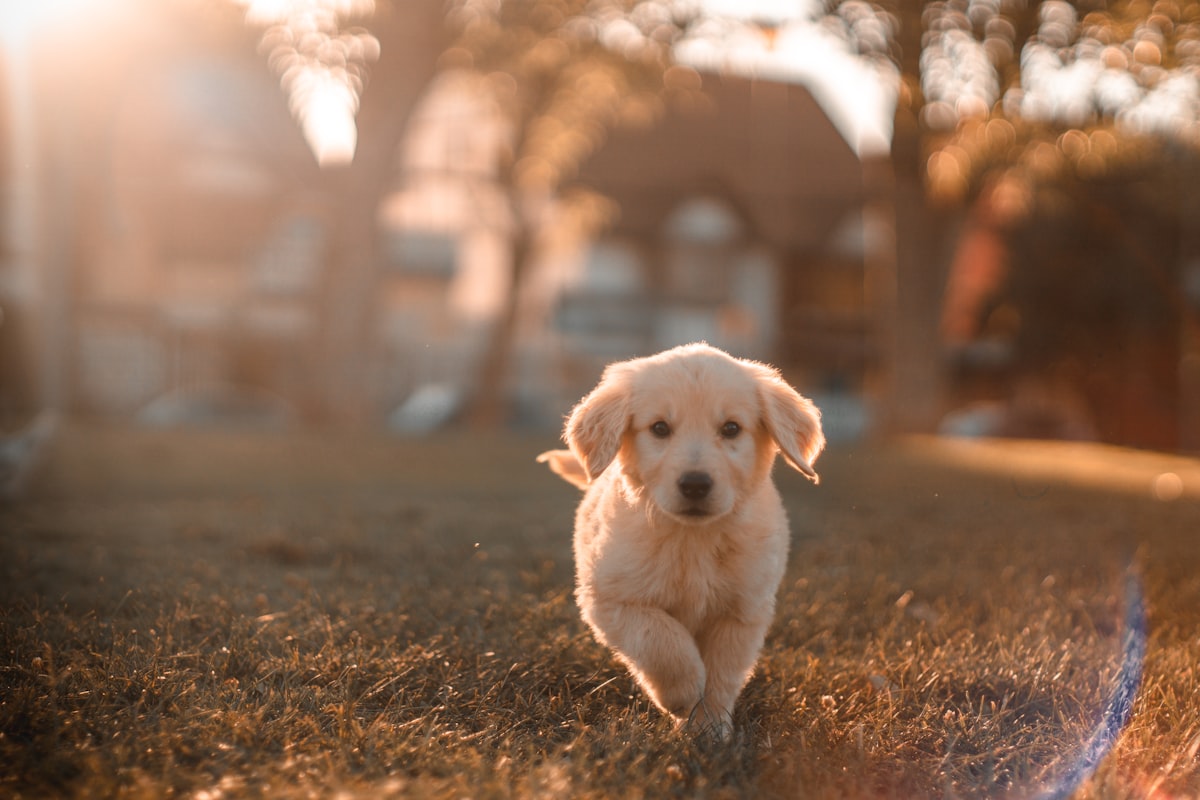
Unlike the straightforward F1 vs F1b genetics which determine coat texture, coat color is determined by a separate set of loci (gene locations). Understanding these can help you predict what your puppy might look like as an adult—because in the world of doodles, what you see at 8 weeks is rarely what you get at 2 years.
The Two-Pigment Rule
Believe it or not, all those colors come from just two pigments 1 :
- Eumelanin (Black)
- Phaeomelanin (Red/Yellow)
Every other color—chocolate, blue, cream, apricot, silver—is just a genetic modification (dilution or inhibition) of these two bases.
The B Locus: Black vs. Brown
The base color of your dog is determined by the B Locus.
- B (Black): The dominant gene. If a dog has even one ‘B’, their nose, paw pads, and eye rims will be black.
- b (Brown): The recessive gene. To be brown (Chocolate), a dog needs two copies (‘bb’). These dogs will have liver-colored noses and often lighter amber eyes.
This is why “Chocolate” Labradoodles are harder to breed than Black ones—both parents must carry the recessive gene.
The E Locus: The Red Spectrum
The E Locus controls whether the dog produces Black pigment (Eumelanin) or Red pigment (Phaeomelanin).
- E (Extension): The dog can produce black pigment.
- e (Recessive Red): The dog is restricted to producing only red pigment. This creates the entire spectrum of “Gold” Labradoodles: Cream, Apricot, Red, and Chalk.
If you are confused whether your “Cream” dog is genetically Black-based or Chocolate-based, look at the nose. A black nose means they are genetically Black (B) but the coat is “covered” in cream (ee). A liver nose means they are genetically Chocolate (bb).
The K Locus: The “Switch” for Patterns
This is where things get interesting for Labradoodles. The K Locus acts as a gatekeeper for patterns.
- KB (Dominant Black): If a dog has this gene (inherited from the Labrador side usually), it “paints over” any patterns. The dog appears solid color, even if they carry Phantom or Sable genes underneath.
- ky (Recessive): If a dog is “kyky”, the gate is open. The patterns hidden on the A Locus (like Phantom) are allowed to show through.
This explains why you can breed two solid-colored dogs and get a Phantom puppy—both parents were “carriers” of the recessive ‘ky’ gene.
The “Poodle Fading” Gene
Here is the “Labradoodle Layer” that shocks most new owners: The Fading Gene (G Locus).
Labradors generally stay the same color their whole lives. A Black Lab puppy is a Black Lab adult. Poodles, however, carry a progressive graying gene 2 . This gene causes the coat to fade dramatically as the dog matures.
Because Labradoodles are half (or more) Poodle, they often inherit this trait.
- Black puppies may fade to Blue (a dark gunmetal grey) or Silver (a light platinum).
- Chocolate puppies often fade to Parchment (coffee with milk) or Lavender (a pinkish-grey taupe).
- Red puppies almost always fade to Apricot or Cream.
If color retention is critical to you, ask your breeder if the parents carry the dilution gene. However, most breeders prioritize health and temperament over color permanence.
Patterns: It’s Not Just Solids
While Labradors come in solid blocks, Poodles bring patterns to the party. These patterns are largely controlled by the A Locus (Agouti) and S Locus (Spotting).
1. Parti-Color (The S Locus)
A Parti Labradoodle is at least 50% white with patches of another color. This is controlled by the S Locus.
- S (Solid): The dominant gene.
- sp (Piebald): The recessive gene.
To be a true Parti, the dog must be “spsp”. If they have one copy of each (“Ssp”), they might have white toes or a chest blaze, often called “Abstract.”
The “Ticking” Factor: Some Parti Labradoodles develop small spots of color inside their white patches as they age. This is called ticking, similar to a German Shorthaired Pointer.
2. Phantom (The A Locus)
This is the “Doberman” pattern. The dog has a solid base color (usually Black or Chocolate) with specific tan markings above the eyes, on the muzzle, chest, and legs.
- Controlled by the at gene on the A Locus.
- Requires the dog to be kyky on the K Locus to show.
- Look: Distinct “eyebrows” and “socks”.
3. Sable (The A Locus)
Sable is often confused with Apricot or Red. A Sable dog has hairs that are lighter at the root and darker at the tip (usually black or dark brown tips).
- Controlled by the ay gene.
- Look: A “burnt toast” appearance.
- The Fade: Sables often “clear” dramatically. A puppy that looks dark brown might end up a light cream adult as the black tips are cut off during grooming and don’t grow back the same way.
4. Merle (The M Locus)
The most controversial pattern. Merle creates a mottled, patchwork effect. While stunning, it carries significant health risks if bred improperly. For a deep dive on why you should never buy a “Double Merle,” read our guide on Merle Genetics.
The Color Change Timeline
When will you know your dog’s true color? Here is a typical timeline for the Labradoodle coat evolution:
0-8 Weeks: The “False” Coat The puppy coat is often darker and richer than the adult coat. A “Red” puppy might actually be a dark Apricot. A “Black” puppy might have a brownish tint from sun exposure, misleading you into thinking they are Chocolate.
6-12 Months: The “Clearing” Phase This is when the Poodle fading gene kicks in. If you part the hair of a Chocolate puppy and see “coffee with milk” roots, your dog is fading to Parchment. This usually starts on the face and paws.
18-24 Months: The Final Hue By age two, the coat color is usually set. However, just like humans, dogs can go grey with age, specifically around the muzzle (the “geriatric mask”), which is different from the genetic greying of the G locus.
Color and Coat Maintenance
Does color affect grooming? Surprisingly, yes.
Darker coats (Blacks and Chocolates) sometimes have a slightly silkier texture, while the “dilute” colors (Cream, Apricot) can have a softer, more cotton-like texture that mats easier. Regardless of color, every Labradoodle needs a rigorous brushing routine.

Chris Christensen Big G Slicker Brush
The gold standard for doodle grooming. Long pins penetrate deep into the coat to break up mats.
Affiliate link. We may earn a commission.
Using a high-quality slicker brush is non-negotiable, especially if you have a lighter-colored dog whose coat might stain from dirt or tear ducts. For more tips on keeping that coat pristine, check out our Ultimate Grooming Guide.
The Health Connection: Pigment-Related Deafness
In some breeds, extreme white spotting (Piebald) is linked to congenital deafness. This is because the cells that help the ear function (melanocytes) are the same cells that produce pigment. If a dog’s body suppresses pigment too much (resulting in an all-white ear), the hearing cells may atrophy.
While rare in Labradoodles compared to Dalmatians, it is a risk in extreme Parti or white-faced dogs. This is why genetic health testing is vital—not just for diseases, but to ensure that the color breeding program isn’t compromising physical function.

Embark Breed + Health Kit
The most accurate DNA test for breed breakdown and 210+ genetic health risks.
Affiliate link. We may earn a commission.
An Embark test can tell you exactly which color genes your dog carries (B, E, S, K, and M loci), demystifying why your “Black” dog just turned Blue.
Breeder Red Flags: The “Rare Color” Trap
Be wary of breeders who market puppies based solely on “rare” colors like Merle, Silver Beige, or extreme Parti. While these colors are beautiful, they should never take precedence over structure, temperament, and health testing.
Red Flags to Watch For:
- “Rare Color” Surcharges: Charging $1,000 more for a Merle puppy than a Black one.
- Double Merle Breeding: Breeding two Merle dogs together (MM), which has a 25% risk of producing blind and deaf puppies.
- Undefined Parents: Breeding “Cream to Cream” without knowing if they carry hidden chocolate or black genes, resulting in unpredictability.
A reputable breeder will test for coat color genes to avoid surprises but will prioritize the dog’s quality of life over its paint job.
Conclusion
Whether your Labradoodle is a rich Chocolate that fades to a vintage Parchment, or a bright Red that settles into a soft Apricot, their color is just the wrapping paper. The true gift is the dog underneath.
While it’s fun to predict colors, remember that the “Labradoodle Layer” of genetics is complex. The fading gene is the wildcard that ensures your dog will likely change looks as they grow, giving you the experience of owning two different-looking dogs in one lifetime. Embrace the change—it’s just part of the Doodle magic.