Labradoodle Coat Types: Fleece, Wool, and Hair Explained
Confused by coat types? We break down the difference between Fleece, Wool, and Hair coats, and how to groom each one.
The “Forrest Gump” of Dogs
“Life is like a box of chocolates,” and so is getting a Labradoodle puppy. You never quite know what you’re going to get—unless you understand the science of coat types.
One of the biggest misconceptions about Labradoodles is that they are all “hypoallergenic” and non-shedding. The reality is far more complex. Depending on the generation (F1, F1b, Multigen) and the specific roll of the genetic dice, a Labradoodle can have one of three distinct coat textures: Fleece, Wool, or Hair.
Each coat type comes with its own set of rules for grooming, shedding, and maintenance. Treating a Wool coat like a Hair coat is a recipe for a shaved dog. In this comprehensive guide, we will break down exactly how to identify your dog’s coat type, the genetics behind it, and the specific survival strategies you need to keep it mat-free.
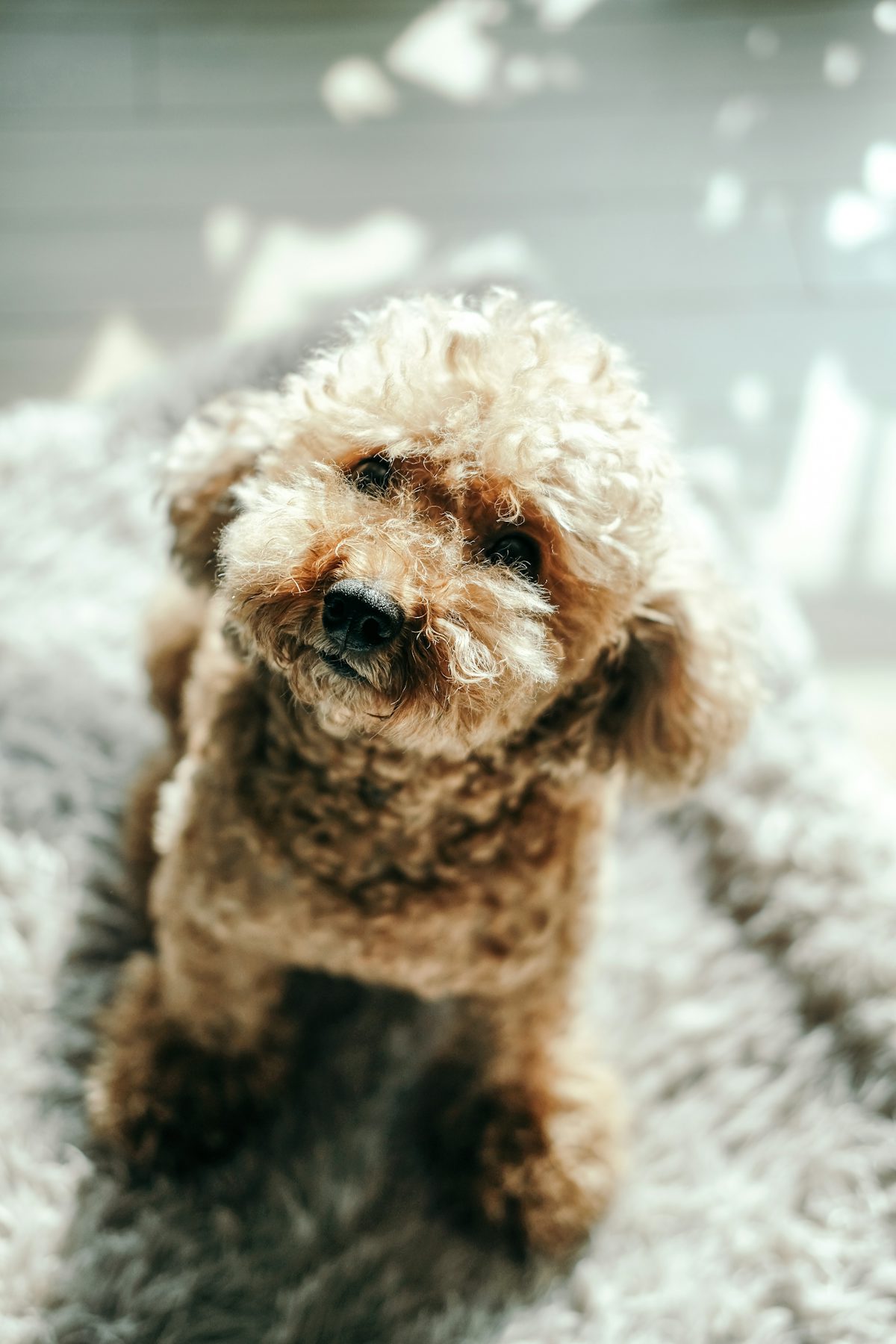
The Science: It’s All in the Genes
Before we dive into the textures, we need to understand why they differ. It comes down to a complex interplay of two primary genes that control the structure of the hair follicle:
- The Curl Gene (KRT71): This gene determines the shape of the hair shaft. A variation in this gene causes the hair to grow in a spiral rather than a straight line.
- CC: Curly (Two copies of the curl gene)
- CT: Wavy (One copy of the curl gene, one straight)
- TT: Straight (Two copies of the straight gene)
- The Furnishings Gene (RSPO2): This is the “Doodle” gene. It determines if the dog has a “beard” and eyebrows (furnished) or a smooth face like a Labrador (improper coat) 3 .
Most “Teddy Bear” Labradoodles are Furnished (F/F or F/IC). This gives them the classic doodle look and is associated with the continuous growth cycle (Anagen phase) that results in lower shedding. However, the texture of that furnished coat varies wildly based on the interaction with the KRT71 gene and other modifiers.
For a deeper dive into how generations affect these outcomes, check out our guide on F1 vs F1b Genetics.
1. The Fleece Coat
The Fleece coat is the “Holy Grail” for many Labradoodle owners. It is the signature coat of the Australian Labradoodle and is highly prized in multigenerational breeding programs because of its unique combination of low-shedding properties and manageable texture.
Texture & Feel: Think “Angora Goat” or soft, high-quality cashmere. The Fleece coat is incredibly soft, silky, and flows with the dog’s movement. When the dog runs, the hair should ripple like water. It can range from straight-ish waves to loose, spiraling curls, but the key identifier is the silky feel. Unlike the Wool coat, it shouldn’t feel dense, thick, or cottony at the root; it should feel light and airy 1 .
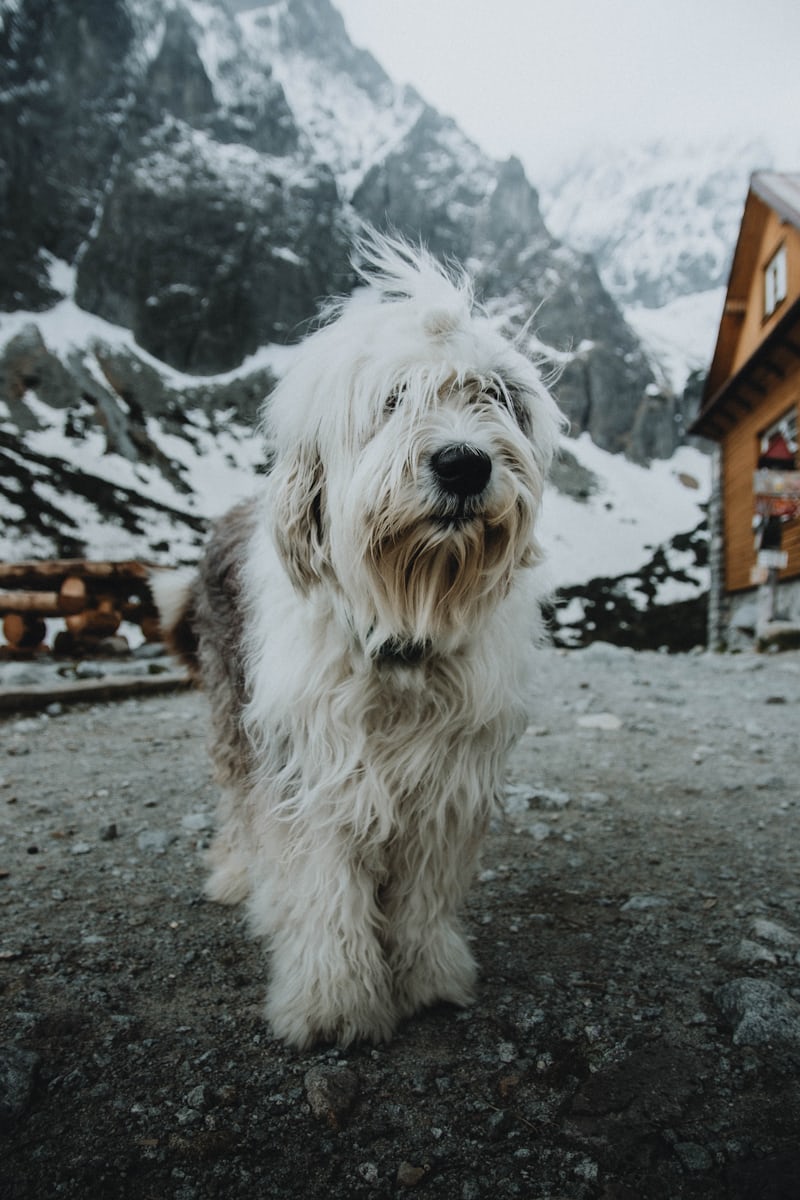
Shedding Profile: Low to non-shedding. While no dog is 100% hypoallergenic, the Fleece coat is generally very allergy-friendly. It lacks the undercoat density of the Wool coat but traps dander better than the Hair coat.
Maintenance Reality: Do not let the “low shedding” label fool you into complacency. Because the texture is fine and silky, it is prone to friction mats. These are mats caused by the rubbing of the collar, the harness, or simply the dog scratching behind its ears.
- Brushing Frequency: 1-2 times per week.
- Matting Risk: Moderate.
- Clip Requirements: Every 6-8 weeks.
- Best Look: Often kept in a longer “Teddy Bear” clip because the hair hangs beautifully.
The Fleece coat transitions from puppy to adult texture usually between 8-14 months. This coat change is critical. If you don’t line brush daily during this phase, the silky puppy hair will mat into the new adult coat instantly.
2. The Wool Coat
The Wool coat is the most “Poodle-like” of the three. It is dense, thick, and tightly curled. If you put your hand into a Wool coat, it feels substantial, like a sheep’s wool or a high-density carpet. You often cannot see the skin without parting the hair significantly.
Texture & Feel: Coarse and springy. The curls are tight spirals that retract towards the skin. There is very little “flow” or movement when the dog runs; the coat moves as a single unit with the skin. This density makes it the best choice for severe allergy sufferers because it traps dander and shedding hair effectively within the curls, preventing them from becoming airborne 2 .
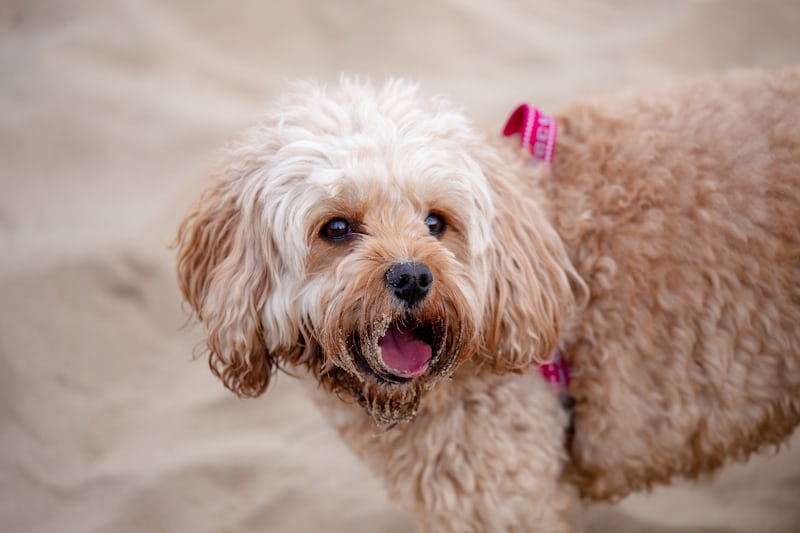
Shedding Profile: Non-shedding. This is the closest you will get to a truly hypoallergenic dog. However, “non-shedding” means “trapped shedding.” The hair that dies does not fall on the floor; it stays in the coat.
Maintenance Reality: High. The Wool coat is a high-maintenance relationship. Because the hair is so curly and dense, it mats very easily if not brushed down to the skin. The “trapped” hair that would normally shed falls back into the curls and creates felt. If you get a Wool coat wet without detangling it first, it will tighten into a solid mat.
- Brushing Frequency: 3-4 times per week (minimum). Daily is better.
- Matting Risk: High.
- Clip Requirements: Every 4-6 weeks. Many owners keep this coat short (“Kennel Clip” or “Lamb Cut”) to make it manageable.
Essential Tool: You cannot maintain a Wool coat with a regular pin brush. You need a long-pinned slicker brush that can penetrate the inches of density to reach the skin. Always follow up with a metal comb to ensure you haven’t missed any mats near the skin.

Chris Christensen Big G Slicker Brush
The gold standard for doodle grooming. Long pins penetrate deep into the coat to break up mats.
Affiliate link. We may earn a commission.

Andis Steel Greyhound Comb
Essential for checking your brushing work. Finds mats that the brush missed.
Affiliate link. We may earn a commission.
3. The Hair Coat
The Hair coat is often seen in F1 (first generation) Labradoodles or those who carry the “Improper Coat” gene (IC). It looks more like a scruffy terrier or a wire-haired pointer than a Poodle. These dogs often have the “Benji” look—scruffy, unkempt, and charmingly roguish.
Texture & Feel: Variable. It can be straight, wispy, or slightly scruffy. It usually feels coarser to the touch and lacks the density of the Wool or Fleece coats. The dog might have a “flat” look on the back with feathering on the legs and tail. The face might have shorter hair, sometimes lacking the full beard of the furnished coats.
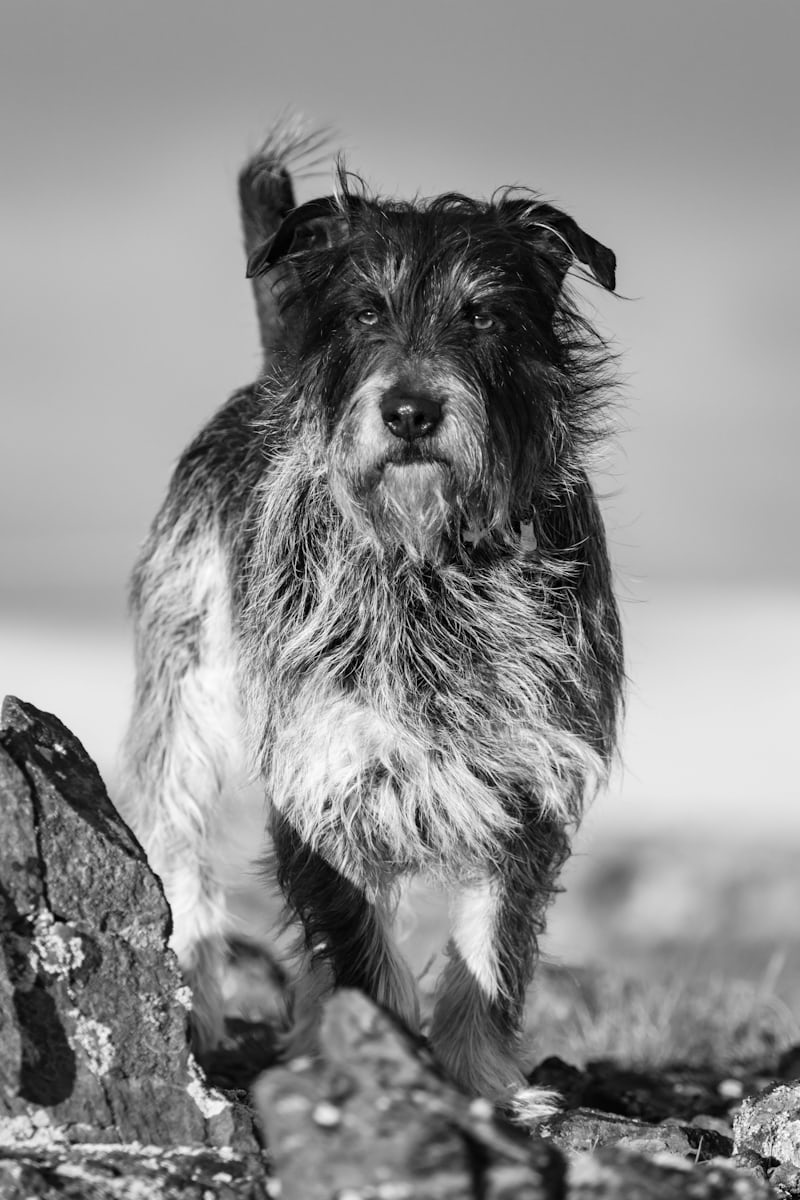
Shedding Profile: Yes. Hair coats shed. The amount varies from “light shedding” to “full-blown Labrador shedding.” If you need a non-shedding dog, or if you have severe allergies, this is not the coat for you. However, for families without allergies, this can be a blessing in disguise.
Maintenance Reality: Low maintenance on the dog, high maintenance on your vacuum cleaner. Because the hair falls out (rather than getting trapped in curls), these dogs rarely mat. You don’t need to shave them down regularly, though some owners do “tidy trims” for the face and paws.
- Brushing Frequency: Once a week (primarily to remove dead hair and reduce shedding in the house).
- Matting Risk: Low.
- Clip Requirements: Minimal. Many go their whole lives without a full body shave.
The Pros
- • Very low grooming cost
- • Rarely mats
- • Natural, rugged look
- • Less 'velcro' for burrs and twigs
The Cons
- • Sheds on furniture/clothes
- • Not allergy friendly
- • May trigger 'dog smell' more than others
- • Lacks the 'Teddy Bear' volume
The Puppy to Adult Transition: What to Expect
One of the most stressful times for a Labradoodle owner is the transition from puppy coat to adult coat. This usually happens between 6 and 14 months of age, and the experience varies wildly depending on the coat type.
The Fleece Transition
This is often the trickiest transition. The puppy coat is extremely fine and cotton-like. As the adult fleece comes in, it is slightly coarser. The fine puppy hair gets trapped in the new waves, creating extensive matting along the flanks and behind the ears.
- Strategy: You must line brush every single day during this period. You are essentially brushing out the dead puppy coat to prevent it from locking with the new adult coat.
The Wool Transition
The Wool transition is intense but often shorter. You will notice the coat becoming significantly denser and the curls becoming tighter. The matting tends to be “solid” rather than tangly—you’ll feel hard lumps forming near the skin.
- Strategy: Many owners choose to do a “reset shave” (shaving the dog very short) around 7-8 months to simply remove the puppy coat and let the adult wool grow in fresh.
The Hair Transition
This is the easiest transition. You will simply notice more hair on your clothes and furniture. The dog might look a bit “moth-eaten” or patchy for a few weeks as the adult guard hairs push through.
- Strategy: Regular baths and brushing with a rubber curry comb or de-shedding tool help remove the loose puppy hair.
Coat Maintenance & Lifestyle: Which One Fits You?
Choosing a Labradoodle isn’t just about the look; it’s about matching the coat maintenance to your lifestyle.
1. The “Outdoor Adventurer” If you love hiking, swimming in lakes, and running through brush, the Hair coat or a short-clipped Wool/Fleece coat is your best friend. Long Fleece coats are magnets for burrs, twigs, and mud. A Wool coat acts like a sponge, taking hours to dry after a swim.
- Verdict: Keep it short or go for the Hair coat.
2. The “Clean Freak” If you cannot stand dog hair on your black yoga pants, you need a Wool coat. It offers the highest level of shed protection. However, you must trade vacuuming time for brushing time.
- Verdict: Wool coat.
3. The “Therapy Dog” Therapy dogs often need to be soft and inviting to touch. The Fleece coat provides the best tactile experience for patients and children. It feels soothing and soft, unlike the coarser Wool or Hair coats.
- Verdict: Fleece coat.
Predicting Your Puppy’s Coat
Breeders can often tell by 6 weeks what coat a puppy will have, but it’s not foolproof. The only way to be 100% certain of the genetic potential (especially regarding the shedding/furnishings gene) is through DNA testing.
If you are adopting a rescue or buying from a less experienced breeder, a DNA test can save you a lot of heartache (and sneezing) down the road. It can tell you if your wavy puppy carries the shedding gene (improper coat carrier) or if they are fully furnished.

Embark Breed + Health Kit
The most accurate DNA test for breed breakdown and 210+ genetic health risks.
Affiliate link. We may earn a commission.
Summary: Which Coat is Right for You?
- Choose Fleece if: You want the classic “Teddy Bear” look, prioritize softness, and are willing to commit to weekly brushing.
- Choose Wool if: You have severe allergies, want zero shedding, and are prepared for professional grooming every month.
- Choose Hair if: You don’t mind shedding but hate the idea of daily brushing and expensive groomer bills.
Regardless of the coat type, every Labradoodle benefits from a good grooming routine. Start young, use positive reinforcement, and check out our Ultimate Grooming Guide to master the line-brushing technique that will save your dog’s coat (and your relationship with your groomer).